Supporting People with Memory Loss
Supporting someone with memory loss requires care, patience, and a safe environment. At Orchard House in Bexhill-on-Sea, support is based on understanding each resident and helping them feel comfortable and secure in daily life.
Memory loss can be linked to ageing or conditions such as Alzheimer’s care needs and other forms of Dementia Care. It can bring both emotional and practical challenges. With the right support, residents can still enjoy comfort, connection, and a sense of belonging.
Understanding Each Resident
Memory loss affects everyone differently. Some residents may forget recent events, while others may feel confused about time or place.
At Orchard House, care begins with getting to know each person. Staff learn about their life history, interests, and preferences. This helps create a familiar and respectful care approach.
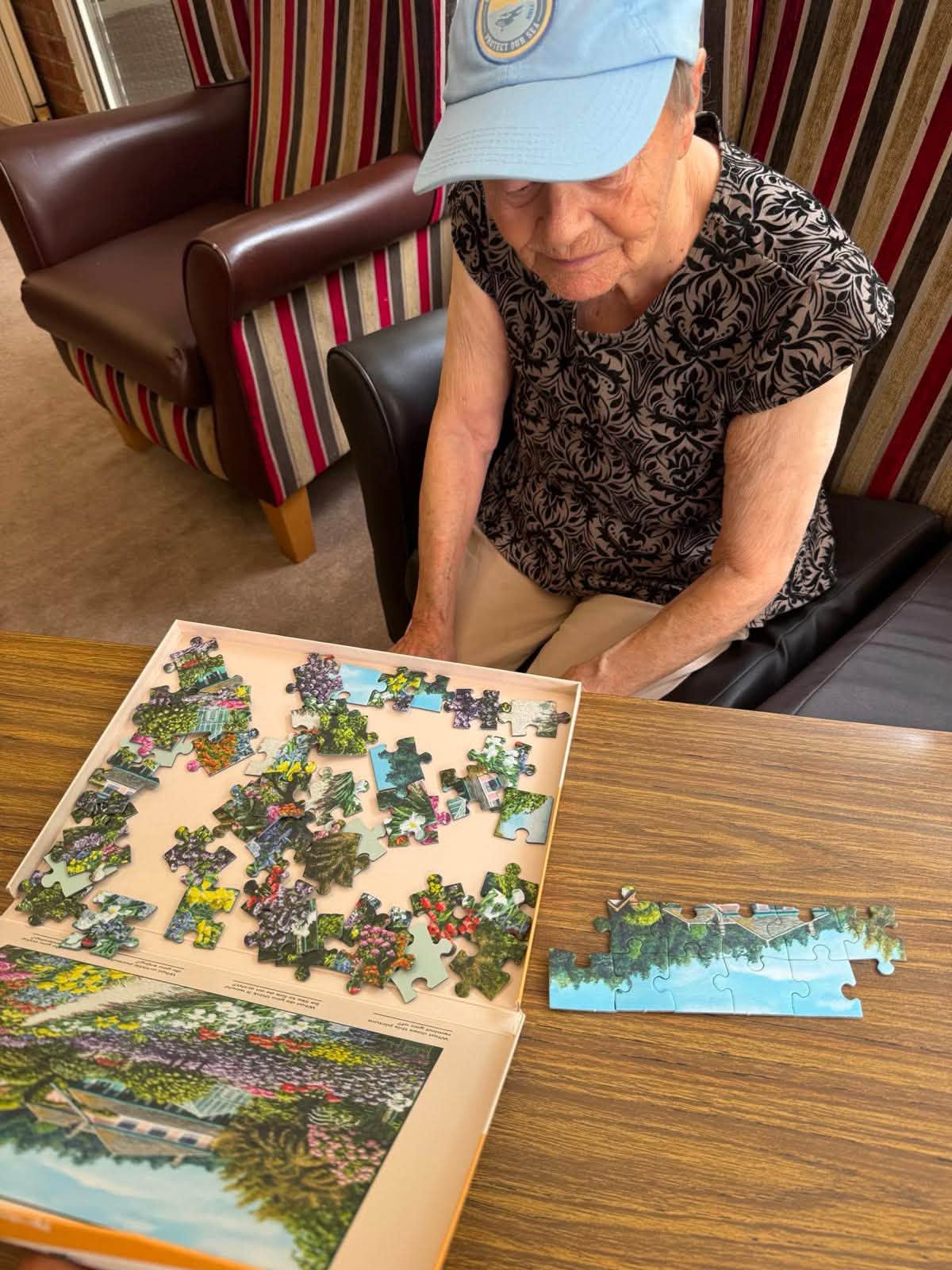
Simple things like music, photographs, or favourite activities can help residents feel calm and engaged. When care is focused on the person, residents often feel more secure and valued.
Creating a Safe and Familiar Environment
A well-organised environment helps reduce confusion and supports independence. At Orchard House, rooms are easy to navigate, with clear signs and simple layouts.
Safety is balanced with comfort. Good lighting, supportive furniture, and safe outdoor areas allow residents to move around freely. Personal items such as family photos or familiar belongings help residents feel at home and maintain their identity.
Daily Routines and Consistency
A regular routine helps residents feel more settled. At Orchard House, daily life follows a simple and consistent pattern, including mealtimes, activities, and rest periods.
Small routines, like morning tea or a walk in the garden, can bring comfort and familiarity. Knowing what to expect helps reduce anxiety and build confidence.
Communication with Care and Respect
Clear and calm communication is very important in Dementia and Alzheimer’s Care. Staff speak slowly, use simple language, and allow time for responses.
Rather than correcting residents, staff use reassurance and gentle guidance. Kind tone, body language, and patience help residents feel understood and supported.
Supporting Emotional Wellbeing
Maintaining independence is important for emotional health. Residents are encouraged to take part in daily tasks such as setting tables, arranging flowers, or joining activities.
Offering simple choices helps residents make decisions without feeling confused. This builds confidence and helps maintain dignity.
Memory loss can also affect mood. Staff are trained to notice changes and respond with care. Calm surroundings, familiar people, and gentle activities help reduce stress and anxiety.
Working with Families and Respite Care Support
Families play an important role in care. At Orchard House, staff work closely with relatives to ensure care is consistent and personalised.
The home also offers respite care, giving families short-term support when needed. This allows loved ones to rest while knowing the resident is in a safe and caring environment.
A Supportive Approach to Dementia and Alzheimer’s Care
At Orchard House in Bexhill-on-Sea, care goes beyond daily support. It focuses on creating a calm and supportive environment where residents feel safe and respected.
Through dementia care, Alzheimer’s care, and flexible support such as respite care, residents can continue to enjoy meaningful moments each day. With the right approach, they can live with comfort, dignity, and a strong sense of wellbeing.