How Professional Nursing Care Supports Long-Term Health Conditions
As people get older, managing long-term health conditions can become more challenging. Many older adults live with more than one health condition and need ongoing care, regular health checks, specialist support and help with everyday tasks. Looking after a loved one at home can be physically and emotionally demanding for families. Choosing a care home with professional nursing care offers peace of mind, knowing that experienced nurses are available every day. At Orchard House Residential Care Home, we provide personalised nursing care in a safe, welcoming environment where residents feel comfortable, respected and supported to enjoy the best possible quality of life.
Long-term health conditions are illnesses that need ongoing care rather than a one-off treatment. Many older adults live with conditions such as diabetes, heart disease, arthritis, Parkinson’s disease, dementia, COPD, stroke-related disabilities and reduced mobility. Some residents have several conditions at the same time, making their care needs more complex.
Professional nursing care helps manage these conditions through regular health checks, early identification of changes, safe medication management and close communication with doctors and other healthcare professionals. This approach helps reduce complications and supports better overall health. Skilled nursing care also plays an important role in managing frailty, multiple health conditions, nutrition, medication safety and reducing unnecessary hospital visits.
Personalised Care Plans for Every Resident
Every resident has different health needs, so personalised care is essential. At Orchard House Residential Care Home, each resident receives an individual care plan based on their medical history, daily routine, personal preferences and future care needs.
Care plans are reviewed regularly to make sure they continue to meet changing needs. Nurses monitor residents closely, work with doctors and specialists and update care whenever needed. This person-centred approach helps residents remain as independent as possible while receiving the support they need.
Managing medicines safely is another important part of caring for people with long-term health conditions. Many residents take several medicines each day, and taking the wrong medication or missing a dose can affect their health.
Professional nurses make sure medicines are given safely and at the correct times. They monitor for side effects, check that treatments are working well and speak with doctors if any changes are needed. Good medication management helps reduce risks and supports better health.
Health conditions can change gradually or very quickly, especially in older adults. Professional nursing staff monitor residents regularly so that even small changes can be noticed early.
Routine checks of blood pressure, blood sugar levels, breathing, mobility, weight, hydration and overall wellbeing help nurses respond quickly if support is needed. Early action can often prevent hospital admissions and improve long-term health outcomes.
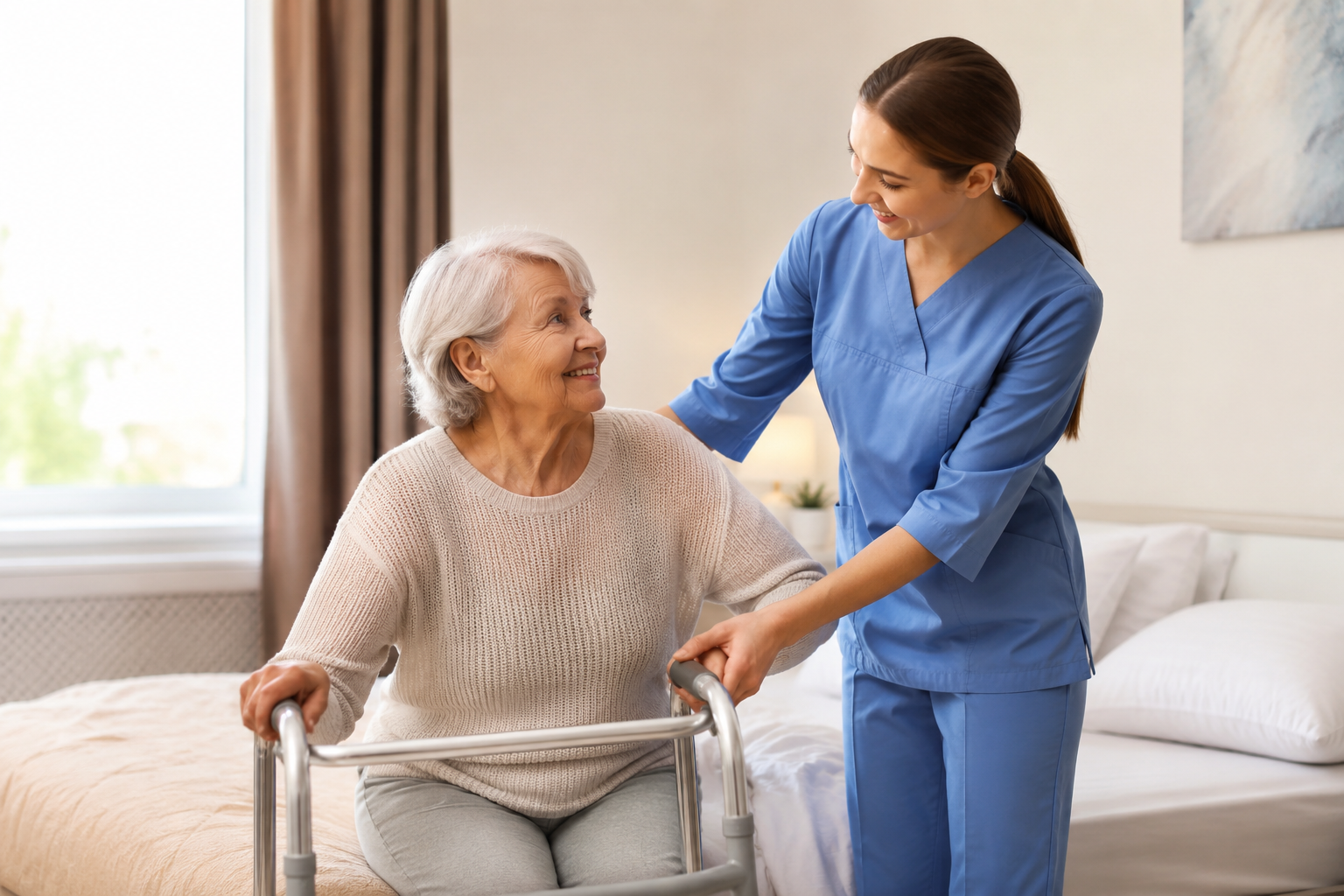
Staying active is also important for maintaining independence and confidence. Conditions such as arthritis, Parkinson’s disease, osteoporosis and stroke recovery can affect movement, balance and strength.
Professional nursing teams encourage residents to stay as active as possible through gentle daily activities, mobility support, physiotherapy and safe exercise programmes. Regular movement helps improve circulation, reduce stiffness, maintain muscle strength and lower the risk of falls while supporting overall physical wellbeing.
Nutritional Support and Emotional Wellbeing
Good nutrition is an important part of managing long-term health conditions. Many older adults need special diets because of diabetes, heart disease, kidney disease, swallowing difficulties or other medical conditions.
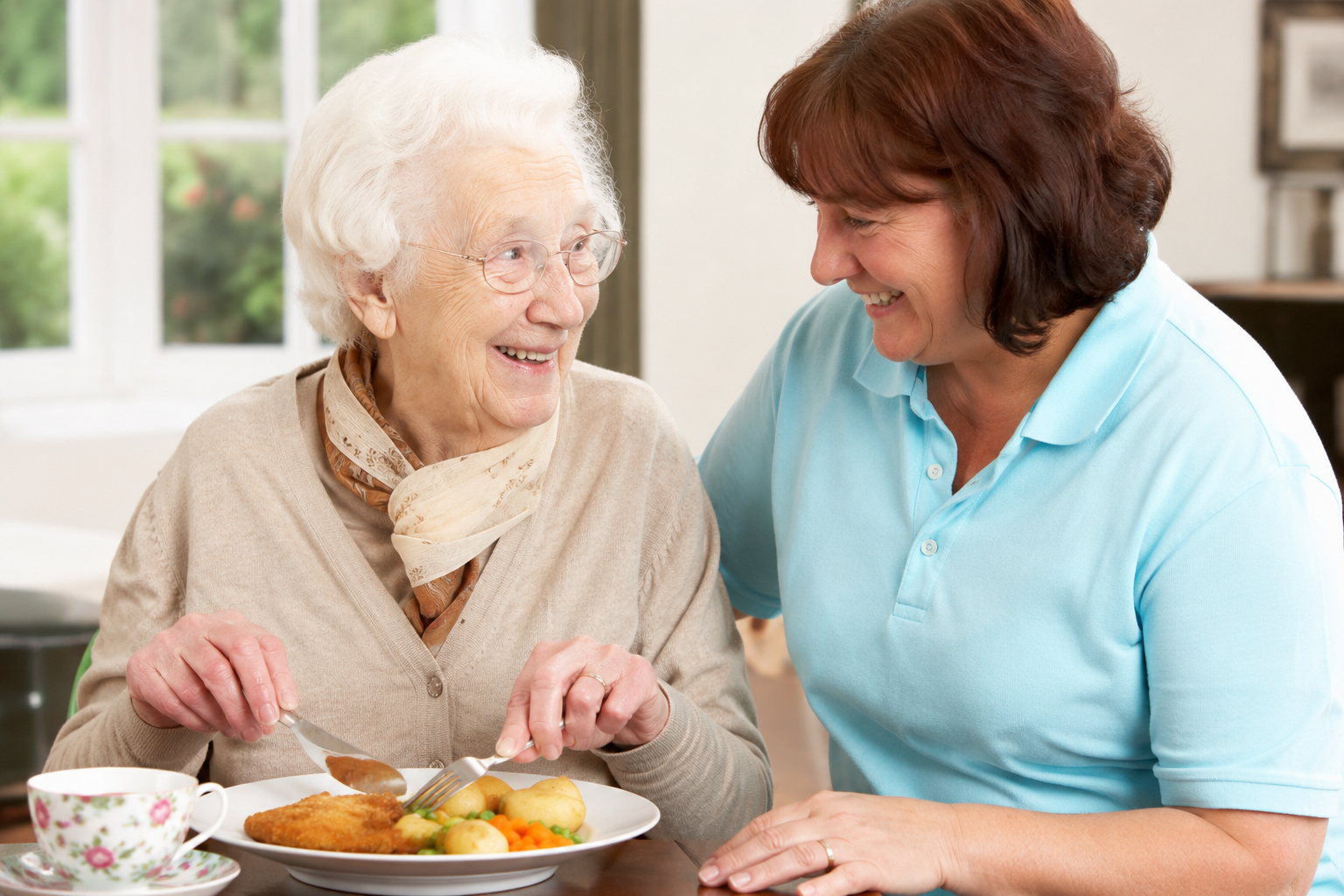
Nursing staff work closely with the catering team to make sure every resident receives meals that meet their individual nutritional needs. They also monitor appetite, hydration and weight so that any concerns can be identified early. Good nutrition supports recovery, helps maintain a healthy immune system, promotes healing and improves energy levels.
Living with a long-term health condition can affect emotional wellbeing as well as physical health. Many older adults experience anxiety, loneliness, frustration or depression as their health or independence changes.
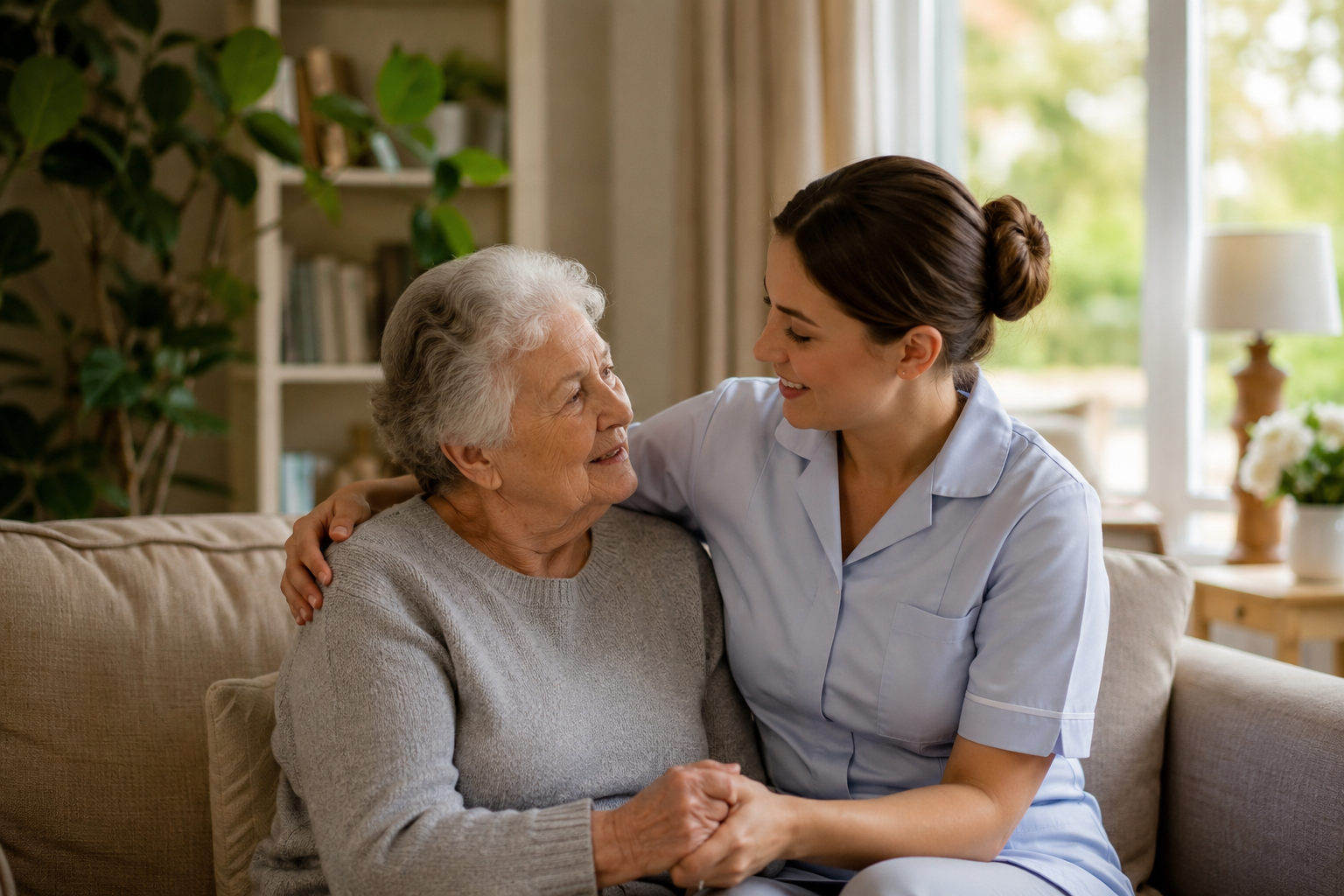
Professional nursing care provides emotional reassurance, companionship and compassionate support alongside medical care. Friendly conversations, meaningful activities, encouragement and family involvement all help residents feel valued, respected and connected to those around them.
Good long-term care also depends on strong communication between nurses, doctors, therapists, families and other healthcare professionals. Nurses keep families informed about their loved one’s health, discuss care plans and involve them in important decisions.
Working together helps provide continuous, high-quality care and ensures every aspect of a resident’s wellbeing is supported. Families can feel confident knowing their loved one is receiving professional care every day.
Preventing Complications Before They Develop
One of the greatest benefits of professional nursing care is preventing problems before they become serious. Regular assessments allow nurses to identify early signs of illness or changes in health.
Nurses take steps to help prevent infections, pressure sores, falls, dehydration, poor nutrition, medication errors and worsening symptoms of long-term health conditions. Preventative care helps reduce hospital admissions and allows residents to remain healthier and more comfortable for longer. Healthcare guidance continues to highlight the importance of skilled nursing, multidisciplinary care and preventative support in caring for older adults.
Safety is a priority for residents living with long-term health conditions. Professional nurses create a safe environment while encouraging residents to remain as independent as possible.
From helping with daily activities and supporting mobility to monitoring health around the clock, nursing staff provide reassurance that help is always available when needed. This balance of support and independence helps residents enjoy daily life with greater confidence.
Choosing the right Residential Care Home for Elders in Bexhill On Sea means choosing a home that combines professional nursing care with genuine compassion. As a trusted Residential Care Home UK, Orchard House provides high-quality, person-centred nursing care for residents living with a wide range of long-term health conditions. By combining professional expertise with kind, personalised support, Orchard House helps every resident maintain their dignity, manage their health and enjoy the best possible quality of life.