Dementia- Friendly Activities for Seniors
Living with dementia can bring numerous emotional, mental, and physical challenges for older adults. Everyday tasks may become confusing, communication can feel difficult, and feelings of isolation may increase over time. For this reason, dementia-friendly activities play a vital role in improving the quality of life for residents in a care setting. At Orchard House, creating a supportive and engaging environment helps seniors maintain dignity, independence, and emotional wellbeing. Families searching for an Elderly Care Home in Bexhill often look for places that understand how meaningful activities can positively impact those living with dementia.
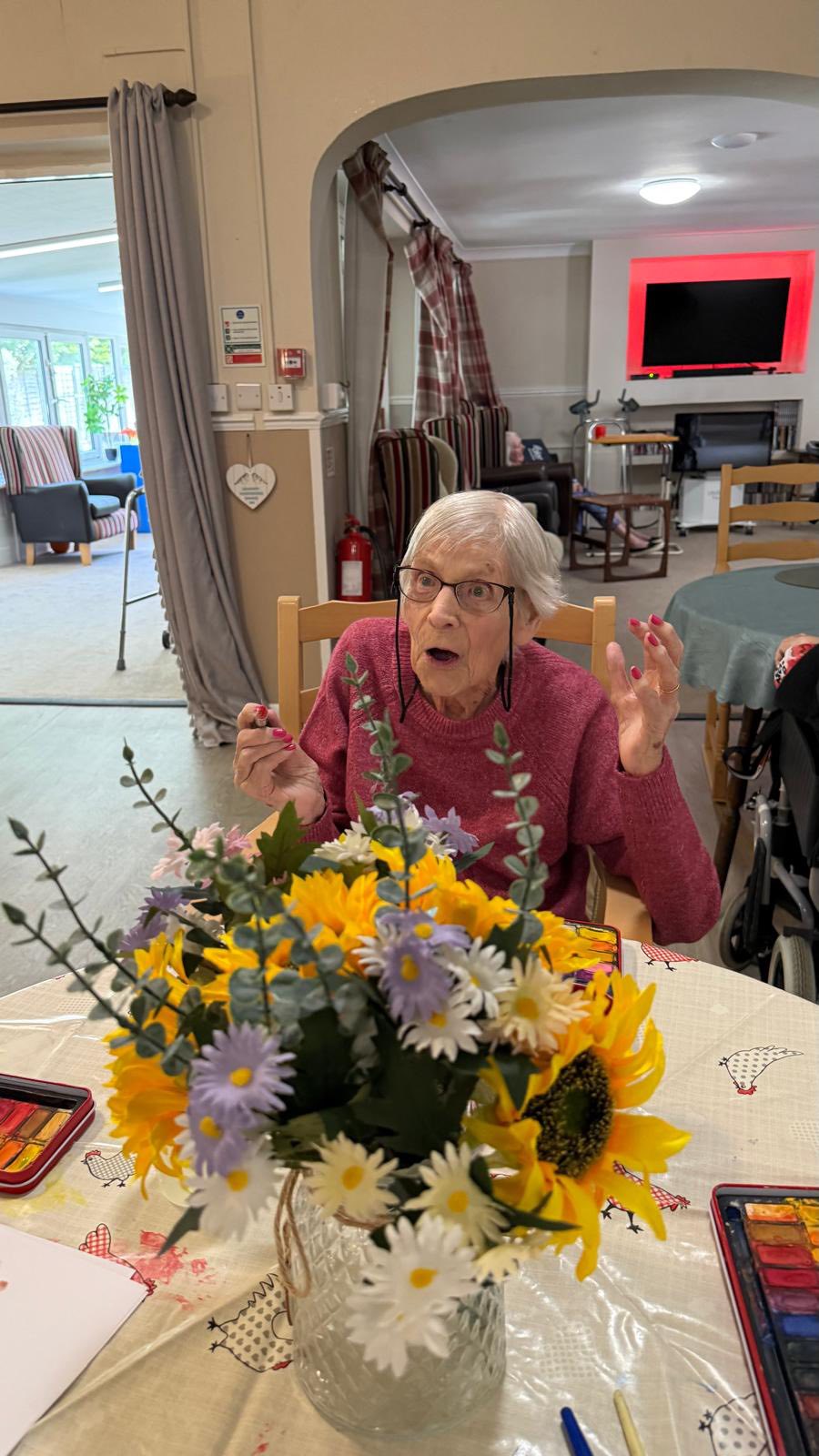
Dementia-friendly activities are carefully designed to stimulate the mind without causing stress or frustration. Activities such as music sessions, memory games, gardening, painting, and storytelling can encourage seniors to stay mentally active. While dementia may affect memory and thinking skills, many individuals still respond positively to familiar routines and enjoyable experiences.
At Orchard House, activities are tailored to the personal interests and abilities of each resident. This personalised approach helps individuals feel included and valued rather than overwhelmed. Seniors living in a Dementia Care Home in Bexhill benefit greatly from surroundings where activities are adapted to their comfort levels and cognitive needs.
Simple tasks that encourage recognition and interaction can help maintain mental function for longer. Even when verbal communication becomes difficult, creative activities often allow residents to express emotions and connect with others in meaningful ways.
Reducing Anxiety and Emotional Distress
Many seniors with dementia experience confusion, anxiety, and restlessness, particularly when they feel disconnected from their surroundings. Structured daily activities can provide reassurance and create a sense of familiarity. Knowing what to expect each day often helps reduce stress and supports emotional stability.
Activities that involve gentle movement, calming music, or sensory stimulation can also improve mood and reduce agitation. Residents may feel more relaxed and secure when participating in enjoyable routines alongside supportive caregivers and fellow residents.
An experienced Residential Care Home for People with Dementia in Bexhill understands the importance of balancing stimulation with comfort. Activities should never feel demanding or pressured. Instead, they should create moments of joy, relaxation, and confidence for seniors who may otherwise struggle with uncertainty.
Social isolation is a common concern among older adults, particularly those living with dementia. As communication skills decline, many seniors may withdraw from conversations or social situations. Dementia-friendly activities help bridge this gap by encouraging interaction in a relaxed and supportive setting.
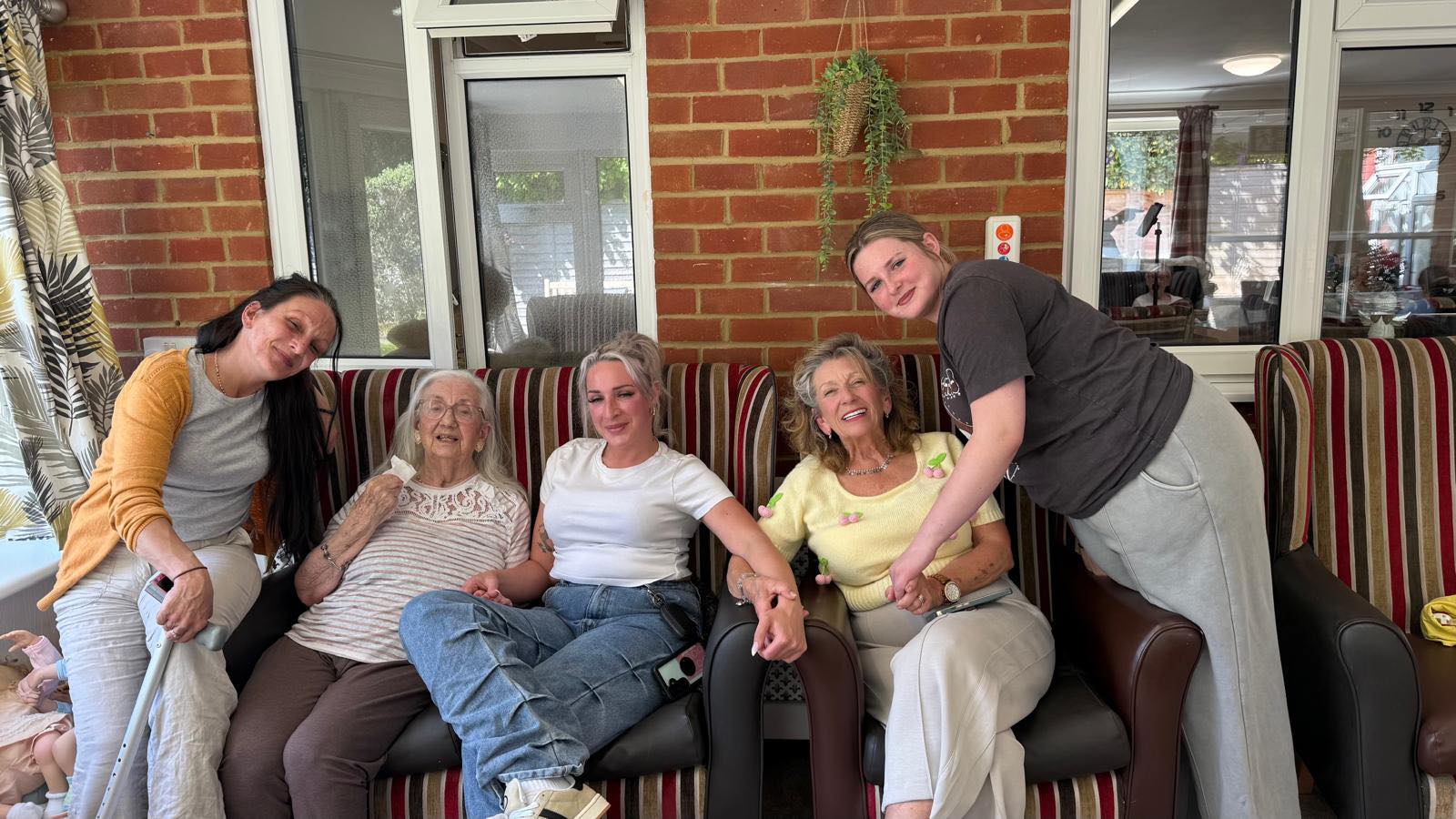
Group activities such as singing, baking, arts and crafts, or shared games can help residents build companionship and feel part of a community. Even small social interactions can make a significant difference to emotional wellbeing. Feeling connected to others often improves self-esteem and reduces feelings of loneliness.
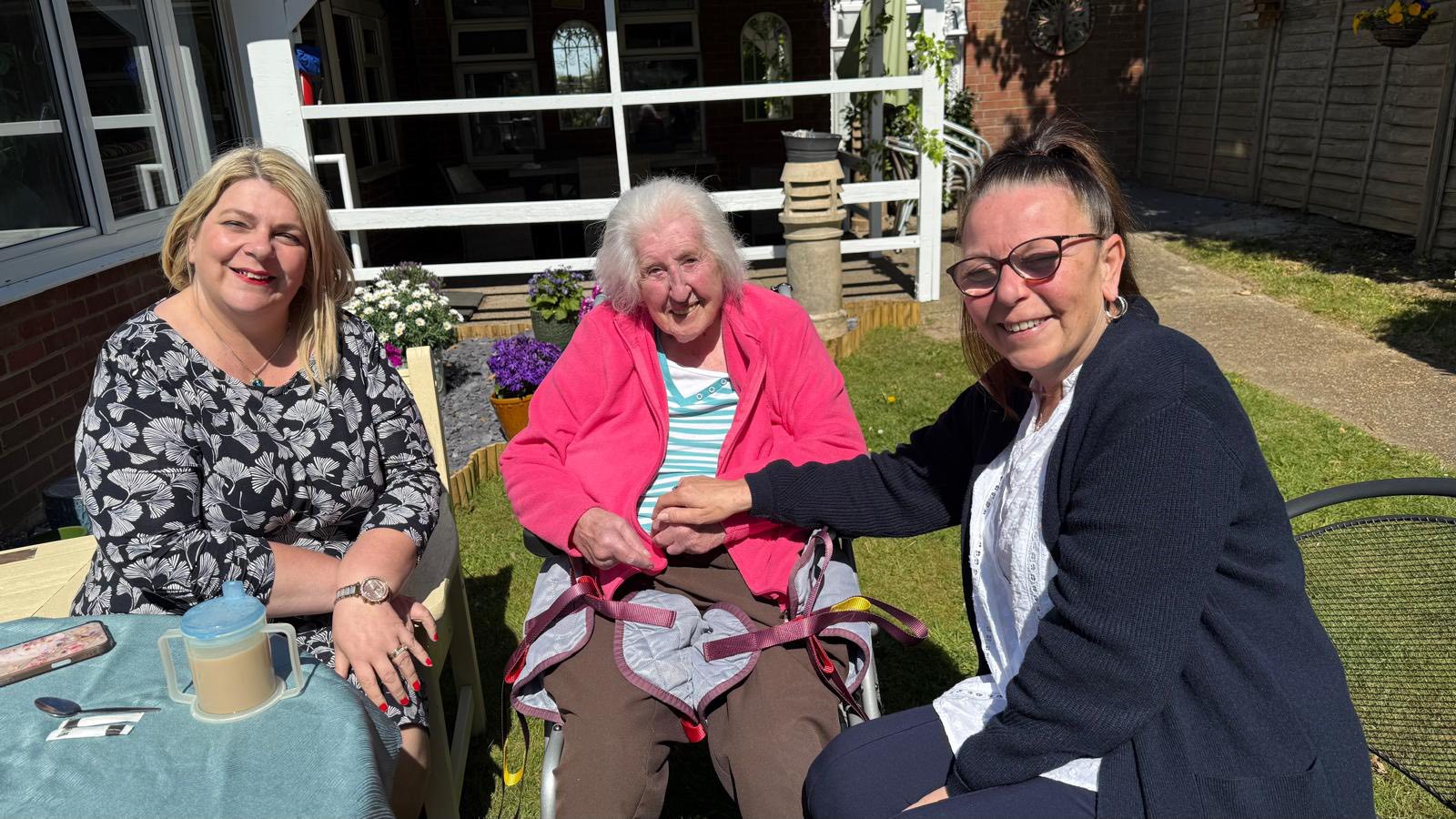
At an elderly care home in Bexhill, creating opportunities for social engagement is essential for maintaining a positive atmosphere. Residents are more likely to feel secure and happy when surrounded by familiar faces and compassionate support.
Promoting Physical Wellbeing
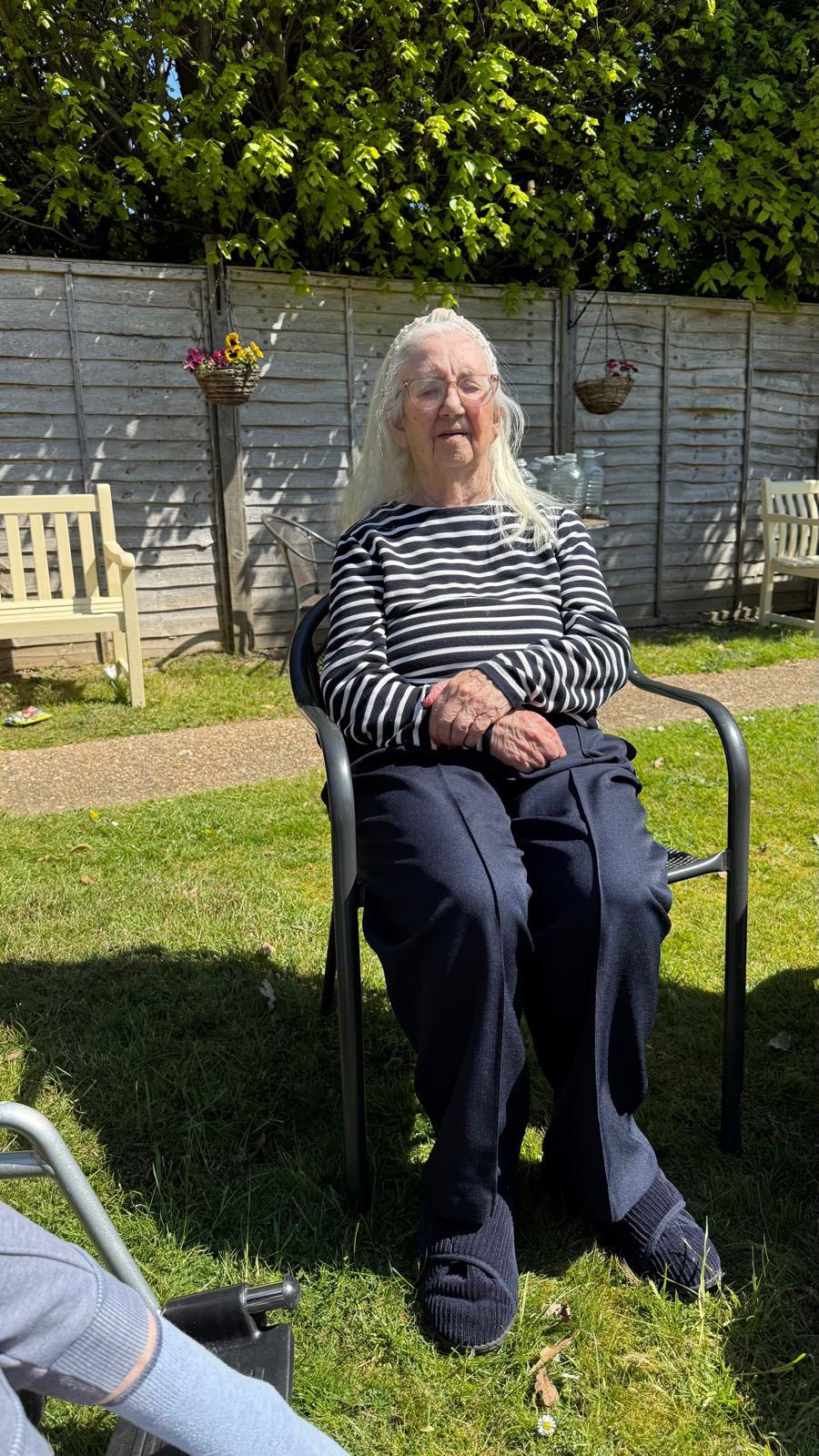
Physical activity remains important for seniors living with dementia. Gentle exercise and movement-based activities can improve mobility, balance, and overall health. Activities such as walking, stretching, chair exercises, or gardening can help residents remain active while supporting circulation and muscle strength.
Regular movement may also improve sleep patterns and reduce restlessness during the evening. Care teams within a Dementia Care Home in Bexhill often incorporate safe physical activities into daily routines to encourage both physical and mental wellbeing.
The key is ensuring activities are enjoyable rather than exhausting. Seniors are more likely to participate when activities feel familiar, achievable, and adapted to their individual abilities.
One of the greatest emotional challenges for people with dementia is the gradual loss of independence. Dementia-friendly activities can help residents maintain a sense of achievement and purpose in their daily lives. Even small accomplishments, such as watering plants, folding laundry, or helping prepare snacks, can provide a feeling of usefulness and pride.
Meaningful engagement reminds residents that they are still capable of contributing and participating. This can have a powerful impact on confidence and emotional wellbeing. A compassionate Residential Care Home for People with Dementia in Bexhill focuses on abilities rather than limitations, helping residents remain active participants in daily life.
Encouraging independence wherever possible also supports dignity and self-respect. Seniors should feel empowered and valued, regardless of the stage of dementia they are experiencing.
Creating a Better Quality of Life
Dementia-friendly activities are far more than simple entertainment. They are an essential part of providing compassionate and person-centred care for seniors living with dementia. By supporting cognitive function, emotional wellbeing, physical health, and social connection, these activities help residents enjoy a more fulfilling and comfortable life.
Families choosing an elderly care home in Bexhill want reassurance that their loved ones will receive care that goes beyond basic support. A nurturing environment that prioritises meaningful engagement can make a significant difference to happiness and overall wellbeing.
At Orchard House, dementia-friendly activities help residents feel connected, respected, and understood every day. Through compassionate care and thoughtfully planned experiences, seniors can continue to enjoy moments of joy, purpose, and companionship in a safe and supportive setting.